

Brisbane: Queenslanders on Death Row


Queenslanders on stilts, Red Hill, Brisbane, C.1915 (Source: Queensland State Archives ©)
Brisbane is decaying beautifully. You can smell it. The sweet, slow decomposition of timber and old colonials, fermenting under corrugated iron roofs. The Queenslander, once the architectural answer to residing in the tropics, now stands like a condemned prisoner in a city that’s forgotten how to breathe without air-conditioning. These houses are on death row, their timber bones creaking under the weight of nostalgia and neglect, their tin halos glinting in the blistering sun.
They were built to float, up on ridiculously high stilts. High above the snakes, mosquitoes, and the once-in-a-century flood that now occurs every five years. They were made to sigh with the heat, to let the air pass through their lungs. But now they’re being choked by renovation and rendered in charcoal grey and white - like a sad Hampton cookie-cutter house from a Dulux magazine.
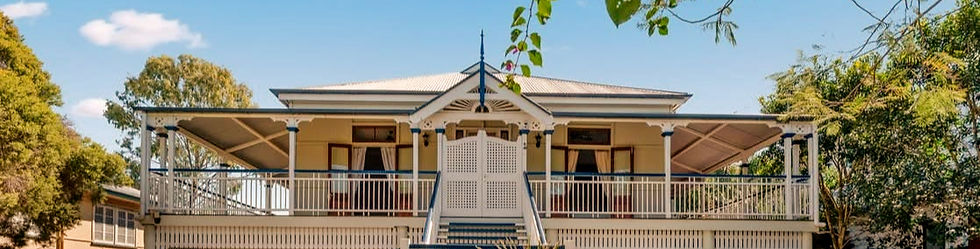
Photo credit: Alex Leggett
Ten years ago, I was sitting out the front of a weatherboard beauty on Hardgrave Road in West End. It was holding itself together out of stubborn pride, like an old Greek guy stumbling out of Hellenica House after a few too many ouzos. The boards were split and flaking, the rust-red roof bowed yet still defiant. I was drinking a ‘tallie’ of Coopers Sparkling Ale, watching a storm roll in from the West, across the Brown Snake that is our river. When the first drops hit the hot bitumen, it was like the city exhaled for the first time all week. Then came a fast and ferocious downpour, washing the grime off the streets in one ecstatic breath.
And just as quickly, it was gone. The steam rose from the asphalt like wailing banshees, curling through the glow of the streetlights. The jacaranda petals turned to sludge. Green tree frogs screamed, amplified from their hangouts in PVC downpipes. I remember thinking this was Brisbane.
Fast-forward to now, and that iconic Queenslander is long gone. Its shadow is replaced by yet another stack of cheaply-built, knock-up boxes pretending to be “urban chic.” The kind of places where you can hear your neighbour’s every argument, but not the rain on the roof. A quick yet ersatz solution to the housing crisis - or so we’re told.

Photo credit: Leisa Howlett
Brisbane has this talent for killing the things that give it character, then embalming their ghosts in laminated marketing. “Heritage-inspired design!” “Artisanal precinct living!”, meaning bland coffee on the ground floor with even more blandness above.
Brisbane devours itself in the name of ‘progress’, and a hapless and exorbitant rush to build before the 2032 Olympics. One character home at a time, one slab of memory traded for a view of the next construction crane.
The city’s old houses were once designed to live with the climate. To breathe, to sway, to leak, to listen. Now everything’s about resisting it: sealing yourself off from the heat and the noise, pretending the subtropics can be tamed with ducted aircon and privacy screens. Little to no thought goes into awnings and gutterings, let alone a storm-proof roof. Only off-the-plan cookie-cutter solutions. Comfort on the cheap.

Photo credit: Alex Leggett
The ramshackle Queenslanders are the last honest buildings left. They’re wooden, weary, and unashamedly human. You can feel their pulse when you walk by on a hot afternoon, see their sweat in the rust stains, hear their memories in the creaky Hoop Pine floorboards. They know they’re on death row, but they’re still standing.
The Queenslanders will go quietly, as they always have. Their nails rusting and their verandahs sagging after years of wear and weather. But when the next flood comes, when the river inevitably swells and the sky splits open for days on end, it won’t be the high-rises that float. It’ll be the old bones of Brisbane: the timber, the tin, the pieces of the past rising above the bloated Brown Snake, mocking the arrogance of glass towers and “riverfront luxury.”
One day, Brisbane will wake up and realise it’s lost its mojo. No more wet timber, no more mango-skin rot, no more post-storm jacaranda sludge, no more humidity. Just sealed windows and air-conditioned silence between four beige walls. But maybe that’s what the city wants… To forget it was ever alive.

Photo credit: Leisa Howlett


